
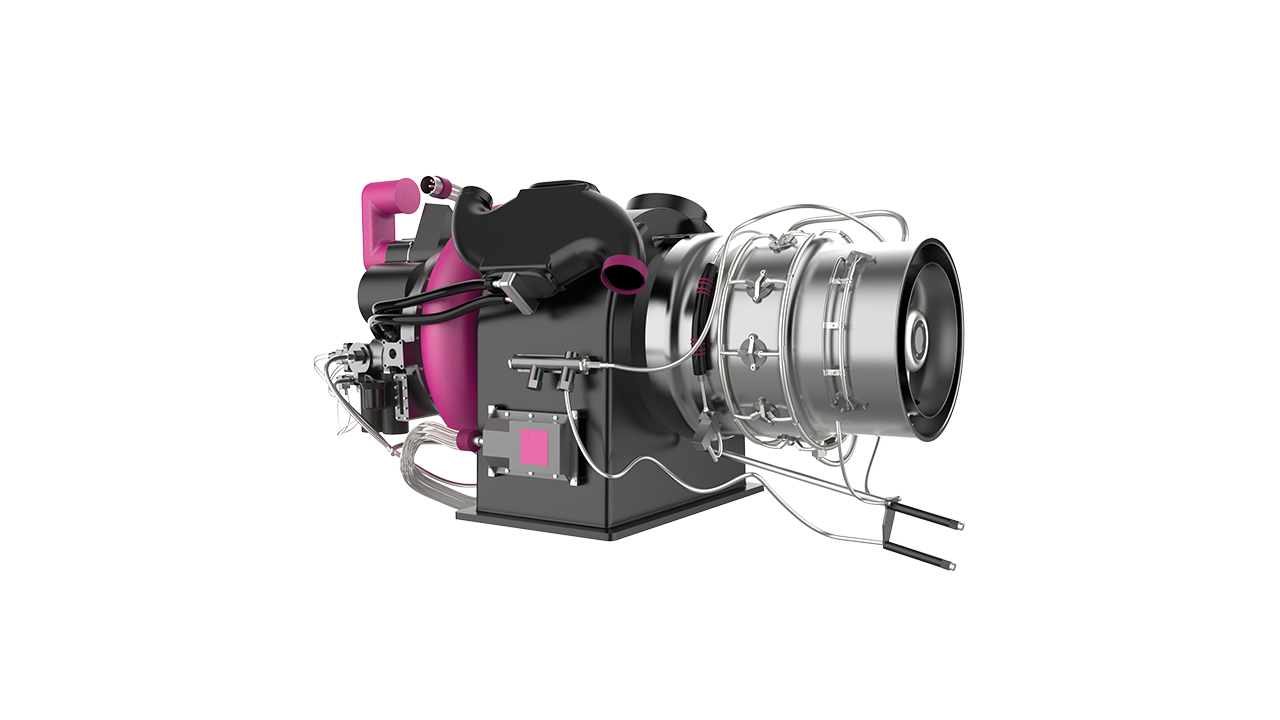
Understanding how aircraft APUs generate power and support operations
An Auxiliary Power Unit (APU) is a compact gas turbine engine that serves as a self-contained power source on aircraft. While it might not be as prominent as the main engines that drive flight, the APU is an indispensable component that performs a range of critical functions.
When an aircraft is on the ground, the APU steps in to provide power for essential operations, such as starting the main engines, supplying electrical energy for various systems, maintaining optimal cabin conditions, and supporting pneumatic functions. This self-reliant unit enhances aircraft versatility, ensuring smooth operations during pre-flight preparations, ground activities, and emergencies.
An Auxiliary Power Unit (APU) typically works by using a small gas turbine engine to generate mechanical power, which is then used to drive a generator to produce electricity and/or to provide pneumatic power in the form of bleed air. Here’s a simplified overview of how an APU typically works:
- Fuel Supply
The APU has its own fuel system, usually fed by the same fuel tanks as the main engines of the aircraft.
- Starting Sequence
The APU is started using an electric starter or an air-driven starter, which spins the turbine section of the APU to begin the combustion process. Once the APU reaches its self-sustaining speed, it can operate independently without external assistance.
- Combustion
The fuel is injected into the combustion chamber, where it mixes with air and is ignited by a spark plug. This produces a high-temperature, high-pressure gas that flows through the turbine section.
- Turbine
The hot gas from the combustion chamber flows over the turbine blades, causing the turbine to spin. The turbine is connected to a shaft, which drives a generator to produce electricity and/or a compressor to produce pneumatic power in the form of bleed air.
- Generator
The generator produces electricity that is used to power various electrical systems inside the aircraft, such as lights, avionics, and other electrical equipment. The electricity can also be used to charge the aircraft’s batteries.
- Bleed Air
The compressor driven by the APU can also produce pneumatic power in the form of bleed air, which is tapped from the compressor section and used for functions such as air conditioning and engine start.
- Control and Monitoring
The APU is controlled and monitored from the cockpit using a control panel or other controls. The pilot or operator can start, stop, and adjust the APU’s operation as needed, and the APU’s performance is typically monitored through various sensors and indicators to ensure safe and efficient operation.
- Safety Features
APUs are outfitted with cutting-edge safety functionalities, among which is the Auto Shutdown capability. This innovation seamlessly halts APU operations upon detecting anomalies such as excessive temperature, elevated oil pressure, or the presence of a fire hazard. In the event of a fire, the aircraft’s fire extinguishing systems seamlessly take control, guaranteeing utmost safety standards.
- Shutdown Sequence
When the APU is no longer needed, it can be shut down by stopping the fuel supply and allowing the APU to wind down to a stop. This is typically done using the control panel or controls in the cockpit.
Ready to take the next step?
Do you have an APU you want to list, or are you looking to buy one? Sign in to access the marketplace or speak with our team for guidance.